Compare volcanic cruises, catamarans, and luxury sailing experiences.
Plan your visit before you board Santorini Cruises
Santorini cruises sail the volcanic caldera, usually combining swimming stops, volcanic islands, sunset views, and an onboard meal into a half or full day. The biggest difference between them is pace: catamaran sailings are slow and scenic, built around swimming, food, and views, while volcano cruises are active, with a crater hike and a hot springs stop. One thing to know upfront: the hot springs are warm, not hot. This guide covers the formats, what each day feels like, and how to choose.
Essential info at a glance
- When to book: In June to September, sunset and premium catamaran cruises sell out several days ahead; shared morning tours can still appear same-day to a week out in shoulder months.
- Time on the water: About 3 hours for a volcano and hot springs cruise, 4.5 to 5 for catamarans, and 8 to 10 for full-day island combinations.
- What's included: Most catamarans include a Greek BBQ, drinks, snorkel gear, and transfers. Assumed but often not included: a full meal on shorter volcano cruises, which usually carry only snacks, and the Fira Old Port cable car fare (about €6 each way) if your boat leaves from there.
- What changes the experience most: Format and timing, an active volcano cruise or a relaxed catamaran, and daytime (swimming, clear views) or sunset (atmosphere).
- Physical effort: Low on catamarans; volcano cruises add a rocky, exposed crater walk of about 45 to 60 minutes.
- If weather gets stormy: Strong Meltemi winds can change the route, swim stop, or departure port; operators usually adjust rather than cancel outright, and refund terms vary by ticket.
Everything you need to know about Santorini cruises
🌊 Choosing your Santorini cruise
⛵ What the experience feels like
📍Boarding points & transfers
🕒 Know before you go
Which Santorini cruise is right for you?
| Experience type | What the experience feels like | Duration | Physical effort |
|---|---|---|---|
Volcanic Islands Cruises | Structured sightseeing cruises with volcano hikes, hot springs stops, and island visits like Thirassia or Oia | ~3-10 hours | Moderate |
Catamaran Cruises | Relaxed sailing with swim stops, meals, drinks, and caldera views. Daytime cruises focus on swimming and clear caldera views, while sunset cruises are more atmospheric and timed around golden hour. | ~4-5 hours | Low |
Luxury Catamaran Cruises | Smaller-group catamaran experiences with upgraded meals, open bar, and more space onboard | ~4-5 hours | Low |
When is the best time for a Santorini cruise?
Daytime departures (around 10am–2:30pm)
Day cruises lean into clear caldera views and swim stops, with stronger light for seeing the cliffs and islands. Boats feel more practical than occasional‑like, and you’re back on land for your own sunset plans.Pick this slot if swimming and simple, bright photos matter more to you than evening atmosphere.
Sunset departures (around 5pm–7pm)
Evening cruises are built around golden light and the mood along the caldera, with swim time shorter or skipped if daylight is tight. Decks feel more occasion‑like, drinks and music matter more, and demand is highest in summer weeks.Pick this slot if you care more about the views and atmosphere at sunset than long, sunny swim stops.
Season note: In June–September, both slots run daily, and sunset cruises book up fastest; in April–May and October, departures are fewer and evenings can feel cooler but calmer on board. From November to March, operations are limited and weather can shorten or skip swim stops, so checking which slots actually run becomes part of the decision.
What actually happens on Santorini cruises
1/4
Boarding and the caldera sail
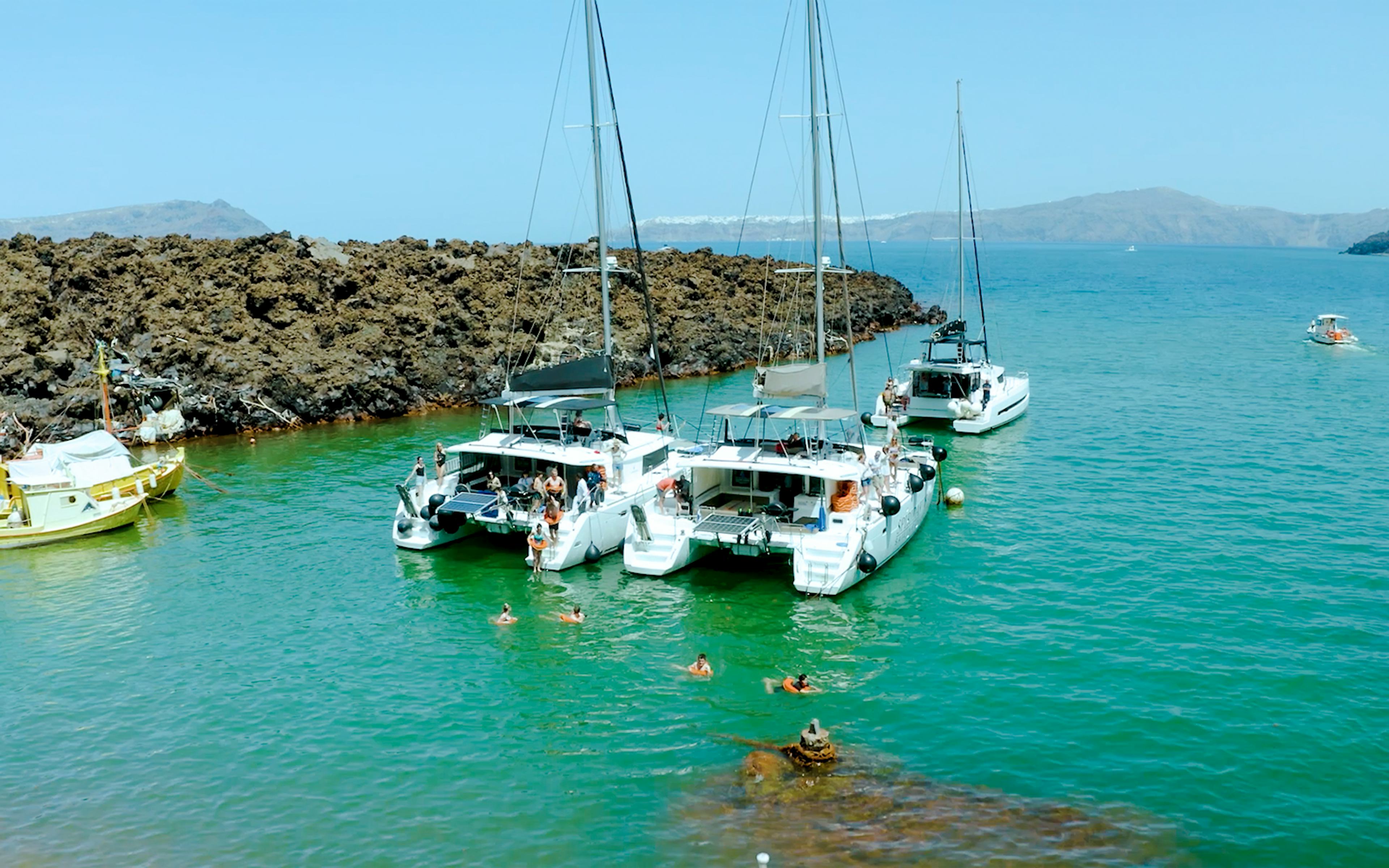
You board at a small marina and settle in as the boat moves out along the caldera, past the volcanic cliffs. Catamarans linger here; volcano cruises push through to the first stop faster.
Nea Kameni crater hike
You disembark and follow a guide up a rocky, fully exposed trail to the crater, about 45 to 60 minutes round trip. Closed shoes and water matter; there's almost no shade.
Palea Kameni hot springs
The boat anchors offshore, and you swim a short distance to the warm, mineral-rich water. It's a quick dip, not a soak, and warmer than the sea rather than actually hot.
Swim stop, meal, and return
On catamarans a longer swim stop near a cove follows, with a Greek BBQ and drinks on the sail back. Sunset routes time the return for the light near Oia.
The moment most people don't expect: dark swimwear matters; the hot springs' sulfur stains light fabric.
Boarding points for Santorini Cruises
The most scenic but least accessible point, set below Fira on the caldera.
- Used for: volcano and hot springs cruises, smaller boats.
- You reach it by cable car (about 3 minutes, roughly €6 each way), the 500-plus-step staircase, or the mule path. No vehicles reach it, so taxis and transfers drop you in Fira town.
- When to arrive: allow 30 to 45 minutes in July and August.
💡 Cable car queues hit 30 to 60 minutes on busy cruise ship days, and missing the boat to a queue is the single most common problem here.
A small harbor below Oia.
- Used for: sunset catamarans and premium sailings.
- The walk down is manageable, but the return climb is steep, and roadside space is very tight. Transfers are strongly recommended if you're staying outside Oia.
- When to arrive: sunset departures here are especially popular, so don't cut it fine.
The main departure point for Santorini's larger catamarans and sailing cruises on the island's quieter south coast.
- Used for: catamarans and some south-coast sailings.
- The easiest approach: flat, road-accessible, and where most hotel transfers arrive directly. Parking near the marina is limited.
- When to arrive: 20 to 30 minutes early, as pier assignments can shift within the marina.
How long do you need?
I want just the volcano
Realistic in about half a day. A volcano and hot springs cruise runs around 3 hours on the water; add transfer time to your boarding port (Fira Old Port means a cable car queue of 30 to 60 minutes on busy days). Budget 4 to 5 hours door to door.
I want the full island-combination day
A full day, 8 to 10 hours. Full-day cruises add Thirassia and often an Oia sunset, with transfers on both ends. Worth it only if you're not also trying to fit Oia or a winery in the same day.
Know before you go
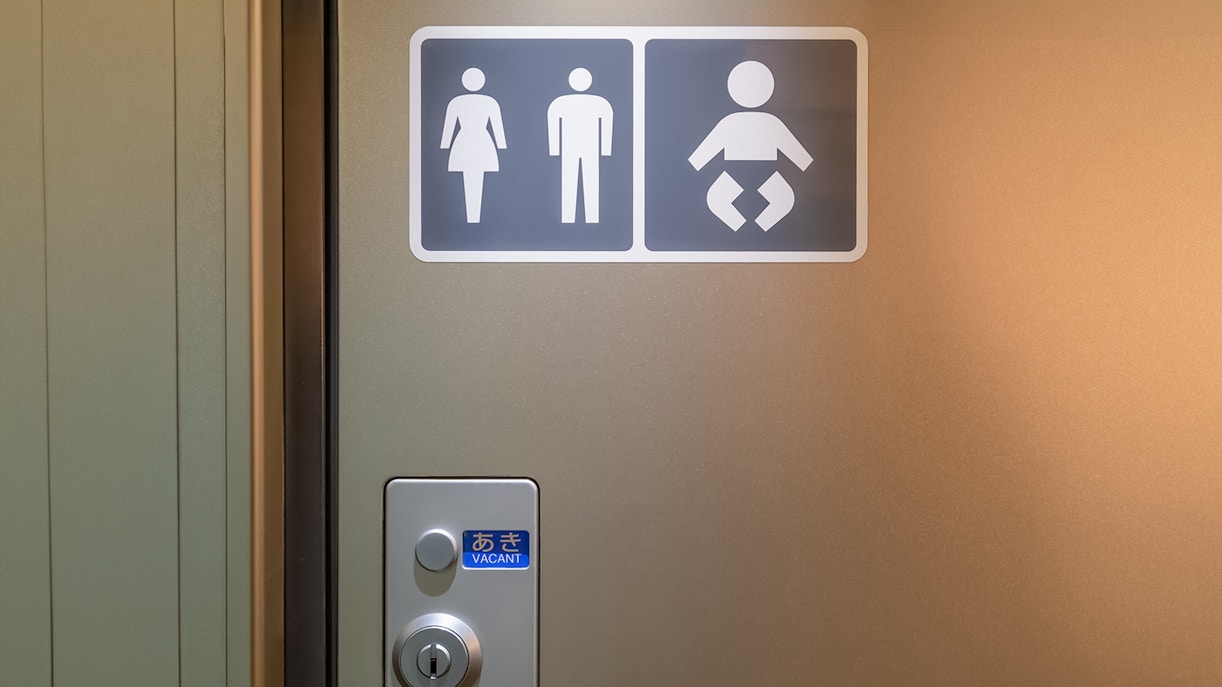
- Most catamarans have shaded seating, open decks, restrooms, and swim ladders for water stops.
- Towels, snorkeling gear, meals, and drinks are usually included on mid-range and premium boats.
- Wi-Fi and private cabins are only available on higher-end ones.
- Food is casual Mediterranean, with grilled items, salads, bread, and drinks, not formal dining.
- Bring your own towel if drying off properly matters; quality varies a lot between operators.
Accessibility considerations
- Most Santorini cruises are not fully wheelchair accessible, and adapted toilets and step-free circulation are generally not confirmed.
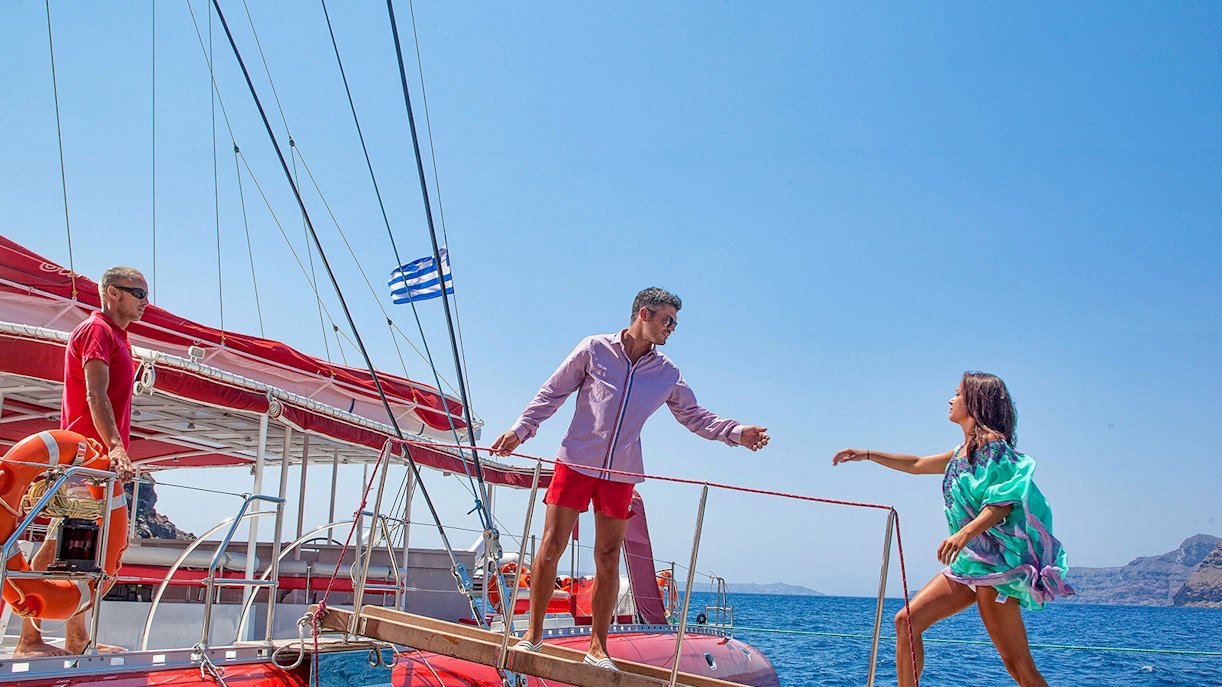
- Vlychada is the easiest port approach, but boarding still involves a dock gap or steps.
- Amoudi Bay is steep, and Fira Old Port depends on the cable car or many steps.
- Volcano landings on Nea Kameni are difficult for guests with mobility limits.
- Contact the operator before booking if you need step-free access.
- Dark swimwear if you're entering the hot springs; sulfur stains lighter fabric.
- A light layer for sunset cruises, it gets windy on the water after dark.
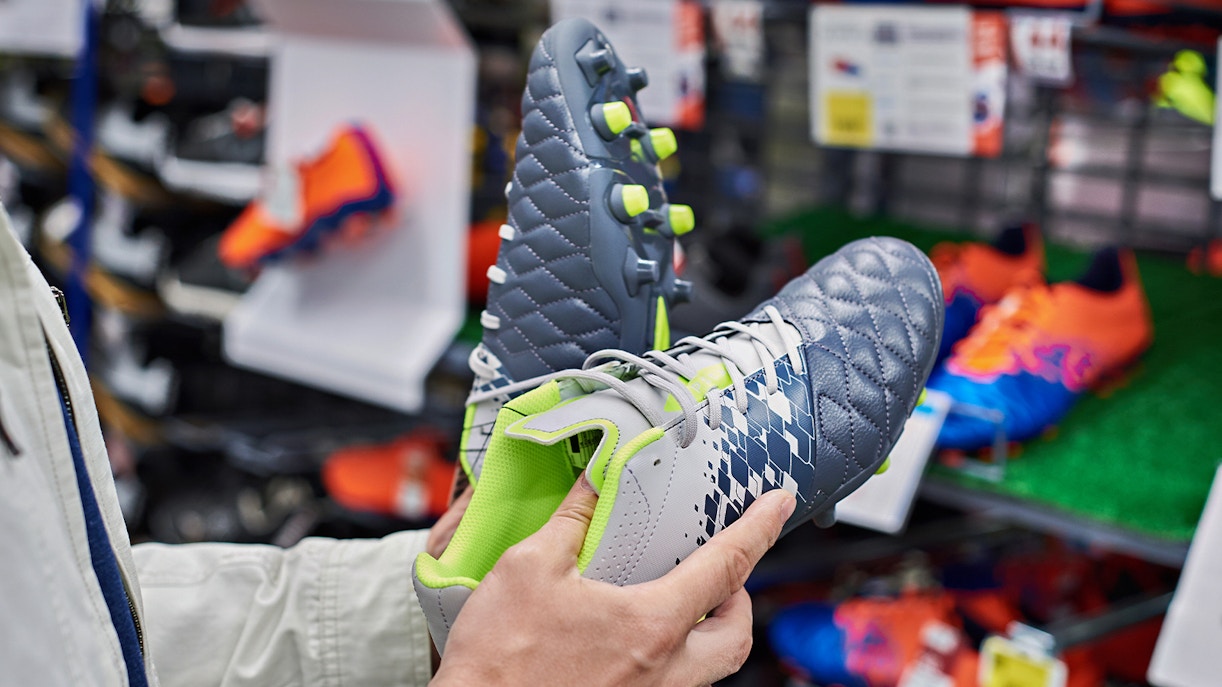
- Grippy closed shoes are recommended if your cruise includes the volcano hike; the trail is loose gravel.
- A dry bag for your phone, swim, and spray stops happens quickly.
- Your own towel, provided towels are thin and vary by operator.
- Around €5 cash for the Nea Kameni park fee, paid on arrival.
- Phi Phi tours are more fast-paced than they look: you get on and off the boat repeatedly, often via floating piers or shallow beach landings.
- Maya Bay is busiest by mid-morning: early departures make a real difference, especially in dry season.
- Sea conditions matter more than rain: speedboats ride rough in the afternoon and in monsoon months; catamarans are smoother.
- The swim stops aren't equal: Pileh Lagoon is for swimming and floating; Bamboo Island and Shark Point are clearer for snorkeling.
- Longtails are local but bare: quieter and more scenic, but little shade, no onboard restroom, and bumpy in open water.
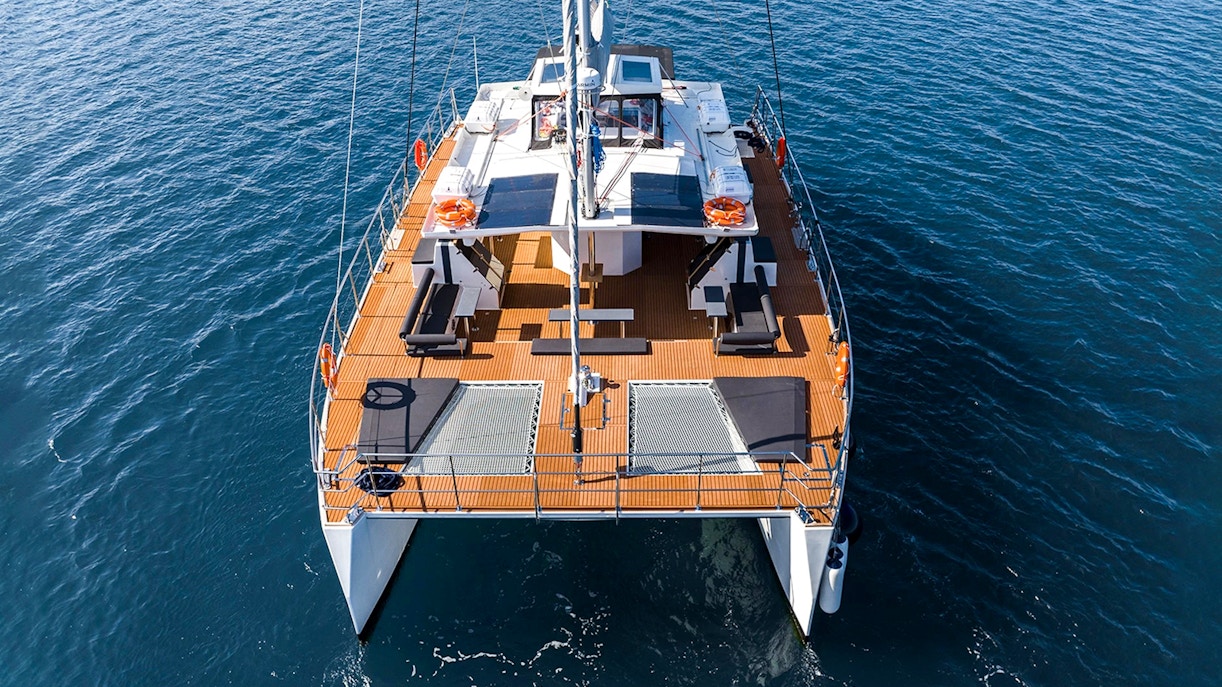
- Pick your side early: one side faces the caldera cliffs, the other open sea, it changes the day more than people expect.
- Eat light before boarding even if a meal is included; heat, sun, and swimming make heavy food uncomfortable.
- At the hot springs, wait a minute before jumping in: prop wash cools the surface; warmer water sits nearer shore.
- Budget 45 to 60 minutes for transfers each way depending on port and traffic if you have evening plans after.
⚠️ Some operators at busy ports sell cruises whose stops don't match the listing. Book verified operators and confirm the exact stops before departure.
- Cancellation by you: varies by operator and ticket; check the window before paying.
- If the cruise is cancelled, strong Meltemi winds can change the route, swim stop, or departure port for safety, and adjustments are more common than full cancellations. Refund and reschedule terms are not standard; read your ticket.
- Arrival: 20 to 30 minutes before departure, or be ready at your transfer pickup within the operator's window.
- Bags: small personal bags only; large luggage is generally not accepted.
- Photography: personal photos are fine; drone takeoff from the boat usually isn't.
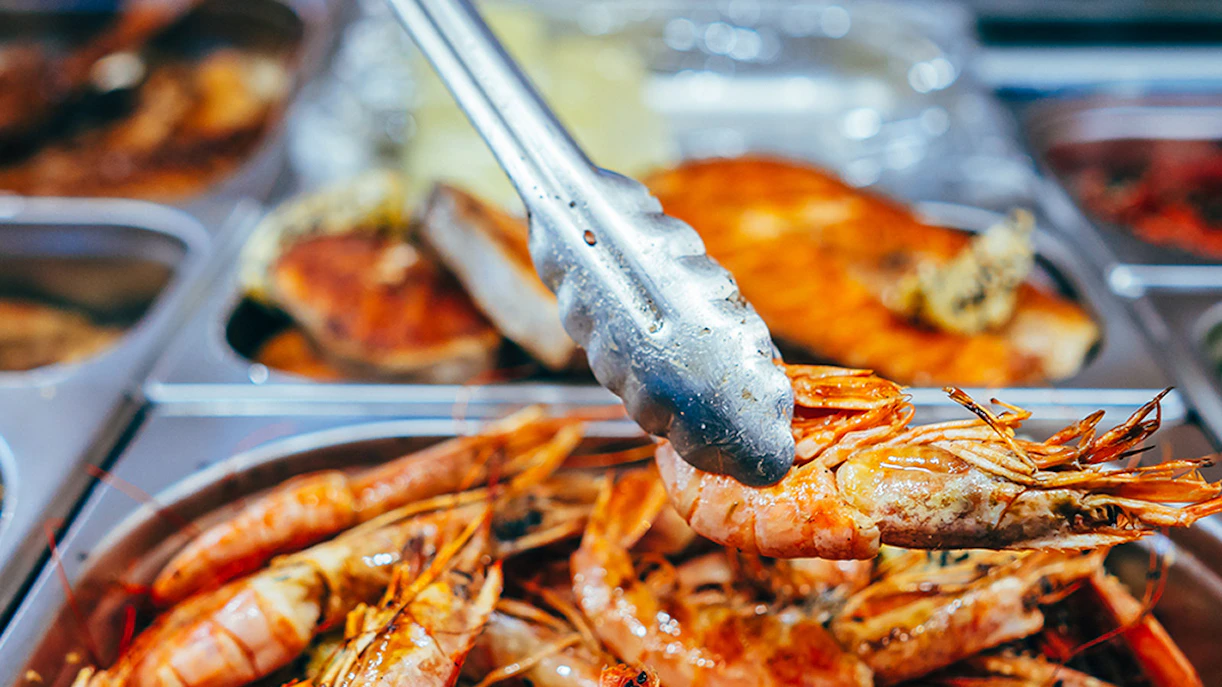
- Shared catamaran cruises: Greek BBQ meal with drinks included.
- Private catamaran cruises: freshly made BBQ onboard with drinks.
- Drinks: included on the catamaran variants; selection and whether they're unlimited vary by operator.
- When you eat: it's usually after the main swim stop, on deck with caldera views rather than at a set table.
- Dietary needs: flag vegetarian, vegan, or gluten-free before sailing day; dockside changes are limited.
Frequently asked questions about Santorini cruises
Book the volcano cruise if you want to hike the crater and see the geology up close; book a catamaran if you care more about swimming, food, shade, and a relaxed day. They're different days, not tiers.
No, the water is warmer than the surrounding sea but not spa-hot; most people treat it as a quick dip rather than a soak, and it can stain light swimwear.
No, life jackets are provided and mandatory at snorkeling stops, and guides assist non-swimmers, but the more comfortable you are in water, the more the swim stops are worth it.
No, swimming inside Maya Bay is restricted to protect the reef; the beach and views are the draw. Pileh Lagoon is where you actually swim.
In summer, 2 to 3 weeks for sunset and premium cruises; shared morning tours often appear same-day to a week out in shoulder months. Sunset slots tighten first.
Strong winds can change the route, swim stop, or departure port for safety; operators usually adjust rather than cancel outright. Refund and reschedule terms aren't standard, so check your ticket.
Generally no, pier boarding, ladders, and uneven island terrain make most tours unsuitable for wheelchairs and strollers. Catamarans give the smoothest ride but aren't step-free.
Possibly on speedboats and smaller catamarans, especially on the rougher afternoon return, sit mid-boat and take medication beforehand if you're prone to it. Larger catamarans are the most stable.
